


Automate problems, not tasks: how smart founders reclaim real time.
Most founders don’t have a traffic problem. They have a conversion and follow-up problem. The website looks great, the brand feels premium, but the pipeline still depends on manual spreadsheets, slow responses, and someone remembering to \"circle back.\" That’s not a design issue. That’s a systems issue.
Why beautiful websites without systems fail
Aesthetic polish earns attention. Systems convert it. Too many sites treat the homepage like a brochure instead of a guided path to action. The result: inconsistent leads, slow handoffs, and deals slipping through tiny cracks that add up to big money.
Common symptoms:
- Pretty hero image, vague headline. No instant clarity on value or next step.
- Multiple CTAs competing for clicks; none of them tracked end-to-end.
- Forms that go to an inbox, not a CRM. Manual copying, delayed replies.
- No behavioral signals captured (scroll depth, key clicks, pricing views).
- “We’ll get back to you” delays that turn warm interest into cold silence.
Design sets the stage. Performance is everything that happens after the click. And performance is where revenue either compounds or leaks.
Aesthetics vs. performance (you need both)
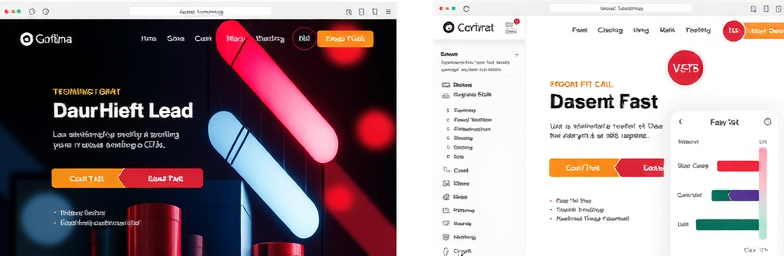
Aesthetic design builds trust and reduces cognitive load. It sets a premium standard that your price can live inside. But performance design is where strategy shows up:
- Clarity over cleverness: a value proposition that’s obvious in five seconds.
- One primary action per page, with supportive micro-CTAs for intent layers.
- Speed and structure: sub‑2s load, clean information hierarchy, mobile-first.
- Proof near action: testimonials, numbers, and outcomes exactly where doubts appear.
- Friction with purpose: forms that qualify smartly, not endlessly.
When these elements work together, your site doesn’t just look modern — it quietly runs your go-to-market.
Automate problems, not tasks
Automating a task is sending a Slack ping after a form submit. Automating the problem is ensuring the right lead gets to the right calendar with the right context — every time — without human heroics.
Example: From form to meeting in minutes
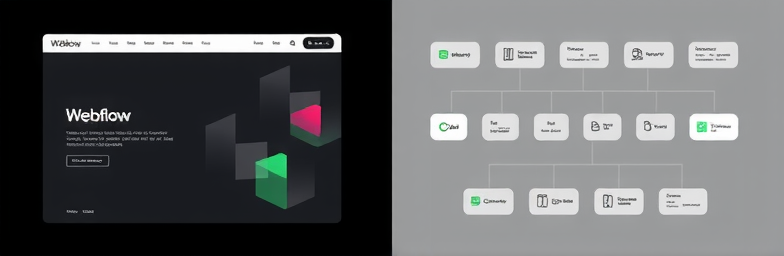
- Visitor requests a demo on your Webflow site.
- n8n enriches the lead (company size, industry), scores intent (pricing page visited, time on site), and qualifies against your ICP.
- Qualified leads see a scheduler immediately; others get a clarifying question or a lighter CTA (e.g., “watch a 3‑minute walkthrough”).
- CRM is updated with source, campaign, and page journey. The right owner is assigned automatically.
- Personalized confirmation and reminders go out. A short pre‑call brief lands in your calendar and a Slack thread for the team.
- If there’s no response, nudges trigger on a smart schedule. If they reschedule, everything updates — no one chases.
Impact: response time drops from hours to minutes. Show rates climb. Sales starts with context. And your team stops playing email tag.
The goal isn’t to \"do things faster\" — it’s to design a system where the slow, error-prone parts don’t exist.
What makes a website actually convert
- Positioning that answers \"Why us? Why now?\" above the fold.
- Focused CTA strategy: one primary goal per page, consistent language.
- Intent signals captured: pricing views, calculator use, case study depth.
- Proof density: metrics and client outcomes close to each decisive click.
- Short forms + progressive profiling; qualification handled post-submit via automation.
- Instant, relevant follow-up: calendar access for qualified, value content for exploring.
- Full-funnel visibility: events sent to your analytics and CRM with source and UTM integrity.
- Operational routing: ownership, SLAs, and alerts handled without manual effort.
The WeCraft way
At WeCraft Studio, we build high-performing Webflow sites and connect them to lean, resilient automations in n8n. The result is a front end that looks premium and a back end that behaves like an extra operator on your team.
Our approach:
- Design for decisions: every section earns its place with a conversion job to do.
- Operationalize the funnel: enrichment, scoring, routing, and follow-up built in.
- Own your data: clean events into your analytics and CRM for real attribution.
- Builder-friendly: modular Webflow CMS and components your team can update.
For one founder, this shift cut lead response from same-day to under five minutes, doubled demo-to-meeting rates, and gave back hours each week once spent chasing forms and replies. That’s what happens when you automate the problem.
A quick scorecard
- Can a first-time visitor understand your value and next step in 5 seconds?
- Do qualified leads book directly to a calendar with context?
- Does every form write to CRM with source, journey, and owner?
- Are follow-ups instant, personalized, and tracked?
- Can you see conversion by page, channel, and intent signal?
If you hesitated on any line, you don’t need another redesign. You need a system that converts and a workflow that won’t drop the ball. WeCraft builds both: modern design, smart automation, and tangible business impact.
Insights That Sparkle
Stay inspired with fresh ideas, industry tips, and behind-the-scenes stories. Our blog is where we share trends, knowledge, and a touch of creativity to help you grow, glow, and stay ahead.
%20(1).png)
.png)
.png)
.png)
%20(1).png)