

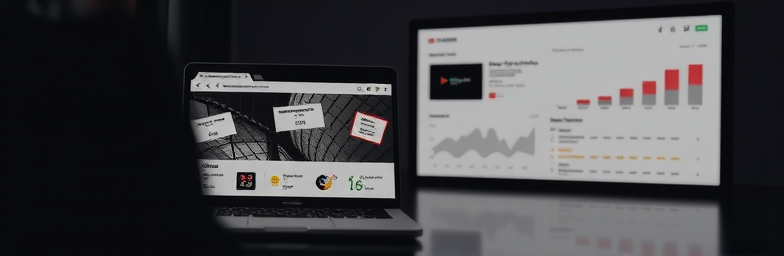
The hidden cost of patching an old site: trust erosion and churn
Patching an old website feels pragmatic. Swap a plugin. Add a banner. Fix the form that broke again. On paper, you saved money. In reality, you taught visitors to doubt you. Trust erodes in quiet, compounding ways: a slow page, a fuzzy message, a form that does not respond. That erosion shows up as higher bounce, lower conversions, and eventually, churn.
When polish masks problems
Founders often tell us their site looks fine. The photography is premium, the palette is on trend, the hero looks expensive. But a beautiful shell without a conversion system is just packaging. A site wins when it removes uncertainty and makes the next step obvious, fast, and reassuring. Everything else is decoration.
Pretty vs performing
Here is the difference your numbers feel:
- Design without hierarchy vs messaging that lands in 5 seconds. Clear headline, proof, and a single primary action.
- Static visuals vs interactive proof. Real metrics, logos, and case snippets near the CTA, not hidden on an About page.
- Contact us vs frictionless booking. Embedded calendar with routing and qualification, not a form that emails a shared inbox.
- Plugins on plugins vs fast, stable infrastructure. Passing Core Web Vitals on mobile, every day, not just in a staging environment.
- Vanity analytics vs measured intent. Events for scroll depth, CTA clicks, form errors, and funnel drop-off with alerts when something breaks.
One client had a stunning homepage with a single CTA to watch a video. Demo bookings were buried two clicks deep. Moving the calendar above the fold increased demos 38 percent within four weeks. Nothing changed visually for the brand. We changed the path.
The hidden costs you feel in the numbers
- Lost pipeline. If 10,000 monthly visitors convert at 0.8 percent instead of 2 percent, you give up 120 qualified leads every month. That is not a design preference; that is revenue.
- Wasted spend. Ads and SEO amplify leaks. Every dollar driving traffic to a slow or confusing page carries a silent tax.
- Team drag. Ops, sales, and marketing become full time patch managers. Every workaround steals hours from growth work.
- Compounding risk. Stacked plugins, outdated themes, and fragile forms break at the worst moment. Outages and 404s are trust killers.
- Data blindness. If you cannot see where users drop, you cannot fix it. Leaders end up debating taste instead of evidence.
What actually makes a website convert
High performing sites are systems. They turn attention into trust, then trust into action. Non negotiables:
- Positioning clarity. A headline that says what you do, for whom, and why it is better. No buzzwords. No guessing.
- Guided paths. One primary action per page, reinforced across sections. CTAs that map to visitor intent by stage.
- Speed and stability. Sub one second LCP on key pages, clean CMS, and no fragile plugin chains. Mobile first, not mobile later.
- Social proof where it matters. Logos, quantified outcomes, and objections answered next to the CTA.
- Risk reducers. Transparent pricing signals, security notes, FAQs, guarantees, and honest next step expectations.
- Integrated capture. Forms pipe to CRM, enrichment, routing, and a calendar in one motion. No manual handoffs.
- Automated follow up. Instant confirmations, smart reminders, and light nurture built with tools like n8n so leads never go dark.
- Measurement by default. Event tracking, conversion goals, error logging, and weekly reporting the team actually reads.
When to stop patching and rebuild
Patch if the issue is narrow and you can measure the fix. Rebuild when:
- You cannot pass Core Web Vitals without breaking design.
- Templates cannot support new offers or content without developer rescue.
- You cannot track core events across sessions and devices.
- Security updates or plugin conflicts routinely take the site down.
- Brand story evolved, but the site forces you into old messaging.
The WeCraft way
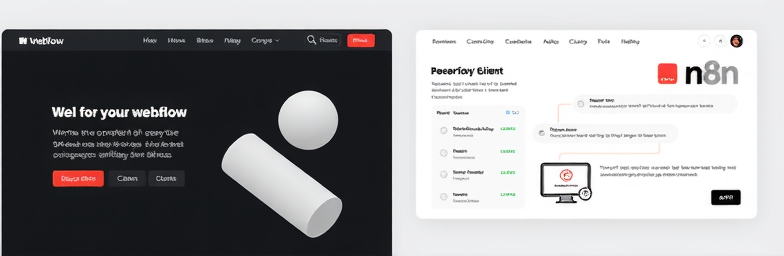
At WeCraft Studio we design modern, high performing Webflow websites and build automations with n8n that turn interest into booked revenue. Our process is simple and deliberately unglamorous:
- Diagnostic. We map the funnel, speed, and friction. No opinions, just data and user paths.
- Conversion blueprint. Messaging hierarchy, information architecture, and CTA strategy per page type.
- Build for speed. Webflow with a modular CMS, performance budgets, and editor safeguards so teams move fast without breaking things.
- Automation layer. n8n flows for lead routing, enrichment, alerts, follow ups, and handoffs to CRM and ops.
- Measurement and governance. Event tracking, dashboards, QA routines, and playbooks so the system stays healthy.
Clients often see more demos booked, faster response times, and calmer teams because the site and the ops finally work as one system.
Bottom line
Patching preserves appearance while eroding trust. If your growth depends on your website, treat it like the product it is. Build the system, not just the skin. When you are ready to stop leaking pipeline and start compounding trust, that is the work we do.
Insights That Sparkle
Stay inspired with fresh ideas, industry tips, and behind-the-scenes stories. Our blog is where we share trends, knowledge, and a touch of creativity to help you grow, glow, and stay ahead.
%20(1).png)

.png)
.png)
.png)
%20(1).png)