


Redesign or keep patching? The ROI math your CFO will respect
Founders patch because it feels cheaper. A plugin here, a freelancer there, a hacked pop-up to buy time. The site looks acceptable in screenshots, but conversions are flat, analytics are messy, and no one trusts the numbers. Your CFO asks for ROI and the room goes quiet.
Here is the truth: a beautiful website without a conversion system is a billboard in a forest. It can win design awards and still lose you deals every week.
Aesthetics vs performance
Design matters. But design is not performance. Performance is the system beneath the visuals that moves a visitor from attention to action. When a site looks polished yet underperforms, it is usually missing one or more of these:
- Message clarity: a sharp value proposition above the fold, built around outcomes not features.
- Focused paths: pages and CTAs mapped to each buying intent, not a generic brochure.
- Evidence: case studies with numbers, objections answered, believable social proof.
- Speed and stability: Core Web Vitals met, assets lean, no fragile stacks of plugins.
- Qualified capture: forms that route and score leads, not just collect emails.
- Automation: instant alerts, enrichment, and follow-ups so no lead waits in limbo.
- Attribution and testing: events tracked end to end, UTMs respected, experiments shipped.
Without this, a redesign is just repainting. It will look better, but it will not sell better.
The ROI math your CFO will respect
Use your numbers, but here is a conservative B2B example you can sanity check in 2 minutes.
- Traffic: 12,000 visits per month
- Visitor to qualified lead rate: 1.0% → 120 leads
- Sales accepted rate: 60% → 72 SALs
- Close rate: 20% → 14 new deals
- Average deal value: 8,000 dollars
Monthly revenue influenced: roughly 112,000 dollars.
Now, improve the website conversion rate from 1.0% to 1.4% by tightening messaging, reducing form friction, speeding up pages, and routing leads instantly. Everything else held constant:
- Leads: 168
- SALs: 101
- Deals: 20
- Revenue influenced: ~160,000 dollars
That is an incremental 48,000 dollars per month. If a strategic rebuild and automation program costs 60k to 90k, the payback window is measured in a few months, not years. And that ignores the operational savings.
The hidden cost of patching
- Tool sprawl: 400 to 800 dollars per month in overlapping plugins and point solutions.
- Friction tax: 1 to 2 seconds of load time drift can quietly shave double digit percentages off conversion.
- Manual work: 8 hours a week routing leads, exporting reports, chasing follow-ups. At a 60 dollar loaded hourly rate, that is ~1,920 dollars per month.
- Risk: a broken form for one weekend can cost a deal. If one lost deal is 8,000 dollars, your patch paid for a rebuild you did not buy.
Patching looks cheap on an invoice. It is expensive on a P&L.
What makes a site actually convert
- Positioning first: one line that states the problem you remove and the business outcome you deliver. No cleverness, just clarity.
- Audience paths: dedicated pages for each ICP and offer, with CTAs that match stage of intent.
- Proof with numbers: compact case studies that quantify time saved, revenue added, or risk reduced.
- Fast by default: lean assets, clean components, and Core Web Vitals in the green.
- Smart capture: short forms, progressive profiling, and qualification that respects the buyer.
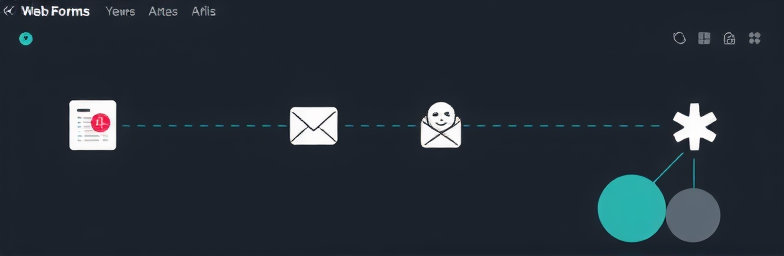
- Automation backbone: new leads trigger enrichment, owner assignment, Slack alerts, and a timed email or CRM task. No copy paste, no delays.
- Clean attribution: events tracked to conversion, UTMs preserved through forms, dashboards that sales and finance both trust.
The WeCraft way
WeCraft Studio builds for performance, then aesthetics. We design modern, high-performing Webflow websites, and we wire the business logic that makes them sell.
- Conversion blueprint: we map messages, paths, offers, and proof against your pipeline before we draw pixels.
- Component system in Webflow: fast, maintainable, CMS-driven pages you can scale without breaking.
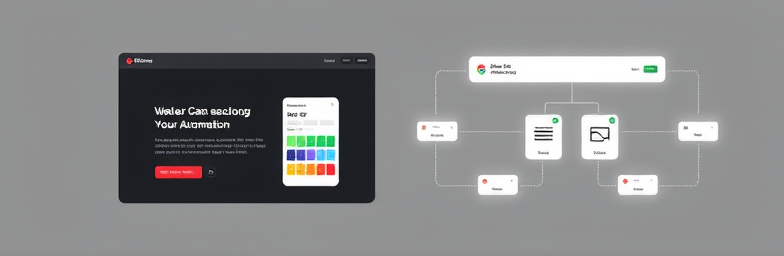
- Automation with n8n: instant lead routing, enrichment, notifications, and follow-ups that cut manual work and response times.
- Instrumentation: event tracking, source attribution, and reporting your CFO can audit.
The result: modern design plus smart automation that compounds. Fewer patches. Faster pages. Clearer numbers. More qualified conversations.
Should you redesign or keep patching?
If your site cannot answer three questions, it is time: What is our current conversion by channel, what changes will likely move it, and how will we know within 30 days. If those answers are guesswork, a strategic rebuild will almost always beat another round of band-aids.
If you want a website your buyers trust and your CFO respects, build the system, not just the skin. We can help you do it once, do it right, and make the math obvious.
Insights That Sparkle
Stay inspired with fresh ideas, industry tips, and behind-the-scenes stories. Our blog is where we share trends, knowledge, and a touch of creativity to help you grow, glow, and stay ahead.
%20(1).png)
.png)
.png)
.png)
%20(1).png)