


You're automating tasks, not problems — that's why nothing scales.
Here’s the pattern: you redesign the site, hook up a few zaps, add a booking link, and call it "automated." Traffic goes up, Slack lights up with form pings, and your calendar fills with mixed-quality calls. But pipeline? Flat. You didn’t fix the problem — you just made the noise arrive faster.
Automation is a force multiplier. If your underlying system is weak, automation multiplies waste. If it’s strong, automation compounds results. The difference is whether your website is a brochure or a conversion system.
Aesthetics vs. performance
Beautiful design matters. It signals quality, trust, and price. But design without performance is decoration. Performance means every page and process moves a qualified visitor toward a clear next step — and collects the data you need to keep the momentum.
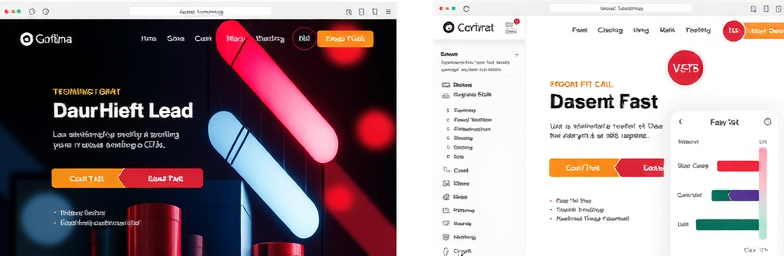
Consider two homepages:
- Site A is stunning: hero video, sleek typography, clever copy. The primary CTA is "Learn More." The form asks for 10 fields. No context on price, timeline, or fit. Leads trickle in, most unqualified.
- Site B is equally polished, but opinionated: the headline speaks to one ICP, the CTA is specific ("See pricing tiers"), the form is progressive (email first, then enrich), and trust signals are placed where objections arise. Leads drop but close rates climb — revenue grows.
The takeaway: performance design clarifies the offer, reduces friction for high-intent users, and routes the right people to the right path. Aesthetics support that mission; they don’t replace it.
Signs you’re automating tasks, not problems
- Traffic rose after a redesign, but qualified pipeline didn’t.
- Forms post to Slack, yet you still manually triage every inquiry.
- You added a Calendly link, but half your calls are unqualified or no-shows.
- Marketing uses 10 tools; none share a clean source of truth.
- You track clicks and likes, not speed-to-lead, lead quality, or time-to-value.
- Your "automation" is just notifications. No enrichment, scoring, or routing.
What a conversion system actually looks like
A conversion system aligns message, path, and data — then automates the moments that matter. Here’s a simplified flow we build for founders who want scale, not noise:
- Positioning and paths: Each ICP gets a dedicated landing path with a clear promise, proof, and a single primary CTA mapped to intent (e.g., "Estimate your project" or "Book a scoping call").
- Friction by design: High-intent paths are simple; low-intent paths ask for a little more. Progressive forms capture the minimum, then enrich in the background.
- Data enrichment and scoring: On submit, an automation enriches company and role data, scores fit (industry, size, tech), and identifies duplicates. No sales time wasted on dead ends.
- Smart routing: High-score leads can book directly into the right calendar slot. Mid-score leads trigger a short qualification email or a lightweight discovery form. Low-score leads receive a resource pathway instead of a meeting.
- Speed-to-lead and context: The team gets a concise alert that includes score, firmographics, visited pages, and suggested next action — not just "New lead!"
- Feedback loops: Closed-won and closed-lost reasons sync back to content and UX. Pages that attract poor-fit leads get repositioned; ones that correlate with revenue get more focus.
Now your website isn’t a billboard; it’s part of your operating system. It qualifies, educates, and routes — and your automations scale decisions, not just tasks.
Why the tech choice matters
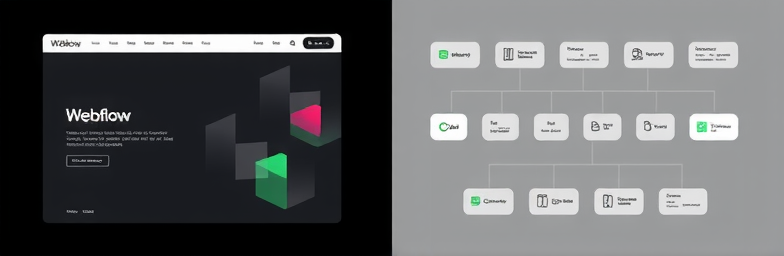
We build in Webflow because speed, stability, and iteration speed are conversion levers. Fast pages reduce abandonment. Component-driven builds make testing painless. Clean CMS structures mean you can ship pages quickly without breaking design.
For automation, we use n8n to orchestrate real workflows: enrichment, scoring, deduplication, routing, and CRM hygiene. This is where "automate the problem" happens — less forwarding, more decision-making.
The business impact founders actually feel
- Calendar filled with the right conversations, not more conversations.
- Lower CAC because you stop paying for clicks that go nowhere.
- Faster speed-to-lead and higher close rates because context travels with the lead.
- Cleaner data, fewer manual updates, and reporting you can trust.
- Confidence to scale traffic because the system can handle it.
A quick self-audit
Answer yes/no:
- Can you state your primary ICP and the page built specifically for them?
- Does your main CTA map to buyer intent instead of a generic "Contact us"?
- Are forms progressive, with enrichment and scoring behind the scenes?
- Do low-fit leads get a non-meeting path that still nurtures?
- Can you trace a closed-won deal back to the pages and actions that mattered?
If you hesitated on more than one, you’re likely automating tasks — not the problem.
The WeCraft way
At WeCraft Studio, we blend modern Webflow design with n8n-driven automation to build conversion systems that compound: clear positioning, purposeful journeys, and ops-grade workflows behind every click. The site looks premium because it is — and it performs because it’s engineered to.
If you’re done adding more tools to a leaky process, let’s rebuild the system. Automate the problem, not the task — and watch scale become a byproduct, not a plan.
Insights That Sparkle
Stay inspired with fresh ideas, industry tips, and behind-the-scenes stories. Our blog is where we share trends, knowledge, and a touch of creativity to help you grow, glow, and stay ahead.
%20(1).png)

.png)
.png)
.png)
%20(1).png)