


If you’re still on Shopify for content, you’re bleeding margin.
Founders tell us the same story: “We redesigned. It looks beautiful. Conversions didn’t move.” The issue isn’t taste. It’s architecture. A gorgeous Shopify theme running your blog and landing pages can look premium while quietly taxing your ad spend, content velocity, and conversion rate every single day.
Shopify is an excellent cart. It’s a poor content engine.
Shopify shines at inventory, checkout, and order ops. But when you force content onto it—blogs, long-form guides, comparison pages, paid landing pages—you pay in places you don’t see on the homepage.
- Theme bloat and app sprawl: Every plugin injects scripts and styles. Your LCP creeps up, CLS jitters, and your paid traffic hits a slower page. Slower pages depress conversion and ad quality scores. That’s real margin gone.
- Rigid templates: Marketing wants a new landing page by Friday. On Shopify, that often means developer hours, theme edits, and QA. Campaign windows close while you wait. Opportunity cost is a line item you never see.
- SEO limitations: Blog architecture, internal linking, structured data, and canonical control are harder than they should be. Content clusters underperform, and you spend more on ads to replace lost organic reach.
- Editorial friction: Drafting, reviewing, previewing, and publishing on most Shopify setups is clunky. Big images aren’t optimized, embeds break, and design is hostage to the theme.
Add it up: higher app bills, more dev time, slower content, lower conversion, and rising CAC. That’s the “content tax” of staying on Shopify for everything.
Aesthetics vs. performance
Pretty doesn’t equal profitable. Converting sites do a few unglamorous things with ruthless consistency:
- Speed and clarity: A fast page with a straight answer above the fold beats a cinematic hero with mystery. Users should know what you sell, why it’s different, and what to do next in three seconds.
- Proof where doubt lives: Ratings, press, UGC, and guarantees placed exactly where objections spike—on PDPs, comparisons, and pricing—not buried on a generic “Reviews” page.
- Frictionless capture: Forms that ask only what’s needed. Sticky CTAs that follow intent. One-tap add-to-cart and clear paths for both “ready to buy” and “needs more info.”
- Measurable journeys: Clean events into GA4 and ad platforms. Clear attribution on which articles, angles, and offers actually create revenue, not just sessions.
- Follow-up that respects intent: If someone downloads a sizing guide, they shouldn’t get the same messages as a cart abandoner. Automation should route by behavior, not batch and blast.
The fix: Split the stack. Connect the dots.
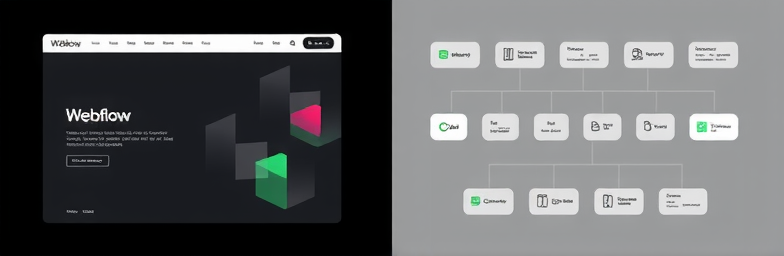
The highest-performing brands separate concerns: keep Shopify for products, checkout, and customer accounts; move content and marketing pages to a fast, flexible CMS like Webflow; connect everything with clean tracking and automation.
What that looks like in practice with WeCraft Studio:
- Webflow for content and landing pages: We design a modular component library so your team can launch new pages in hours, not sprints. Performance budgets, image pipelines, and Core Web Vitals baked in.
- Shopify for commerce: Product detail pages and checkout remain native where it makes sense—or we embed Buy Buttons and product modules on Webflow pages when speed and storytelling matter more.
- n8n automation as the glue: Form fills route to your CRM, qualify by intent, alert sales in Slack for high-value signals, and trigger Klaviyo flows tailored to behavior. Zero manual copy-paste.
- Analytics you can trust: Server-friendly event forwarding, consistent UTM handling, and dashboards that tie content to revenue. No more “traffic up, sales flat” mysteries.
- SEO built-in: Schema, internal link blocks, and collection pages that create real topical authority—not just a scrolling blog.
Real impact, not just nicer pages
Example: A DTC outdoor brand moved blog and paid landing pages from Shopify to Webflow. We trimmed scripts, rebuilt layouts as reusable components, and wired events + automations in n8n. Result: LCP dropped from ~2.2s to ~1.1s on key pages, organic sessions grew 38% in 90 days, paid CPA fell 18% due to better relevance and speed, and the content team shipped 30 new pages in six weeks without dev tickets. That’s margin—protected and created.
The quiet costs you’re likely paying today
- $300–$700/month in app subscriptions propping up what your theme can’t do.
- Developer time for every new landing page or variation.
- Lower ROAS because slow pages and generic templates don’t earn quality scores.
- Delayed campaigns that miss the moment.
If your site “looks great” but still relies on Shopify for content, you’re subsidizing inefficiency. A modern stack—Webflow for content, Shopify for commerce, n8n for automation—turns aesthetics into conversion and gives your team speed without sacrificing control.
WeCraft Studio builds high-performing Webflow sites, connects them cleanly to Shopify, and automates the busywork so your team can market faster. If you want an audit that ends with measurable lift—not a moodboard—let’s talk.
Insights That Sparkle
Stay inspired with fresh ideas, industry tips, and behind-the-scenes stories. Our blog is where we share trends, knowledge, and a touch of creativity to help you grow, glow, and stay ahead.
%20(1).png)

.png)
.png)
.png)
%20(1).png)