


Quit blaming ads — your site chokes conversions, not traffic.
If your dashboard shows plenty of clicks but few demos, the ad account isn’t the villain. Most underperforming funnels have a website problem masked as an ad problem. You’re paying to bring the right people to the wrong experience.
Pretty doesn’t equal profitable
Founders often invest in a beautiful site, then expect it to convert on looks alone. Aesthetics signal credibility, but design without conversion systems is a storefront with the door locked. Performance comes from clarity, speed, and frictionless next steps — not just gradients and motion.
Consider two pages with the same traffic:
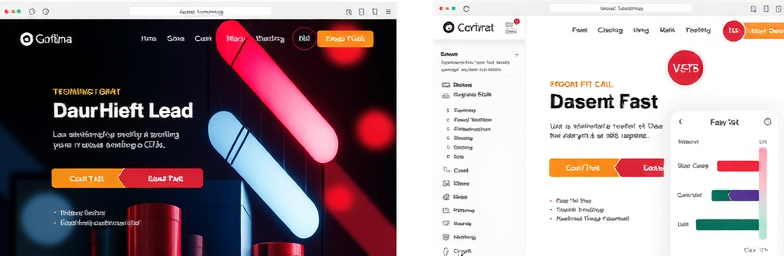
- Site A: 0.6% conversion. Slow load, vague hero line, one generic CTA buried below the fold, long form, no proof, no follow-up.
- Site B: 3.8% conversion. Fast load, clear promise above the fold, single primary CTA, short 2-step form, strong social proof, automatic routing and nurture.
Both spent 8k on clicks. Site A produced 6 leads; Site B produced 38. That gap isn’t media magic — it’s system design.
What makes a website actually convert
- Message match from ad to page: If the ad promises a pricing breakdown, the landing page should open with that breakdown — headline, subhead, and CTA aligned. No bait-and-switch.
- Above-the-fold clarity: State the value, who it’s for, and what happens next. One primary action. Choices create delay; delay kills momentum.
- Mobile-first speed: Under 2 seconds on 4G. Heavy scripts, bloated images, and novelty animations are conversion taxes.
- Trust, fast: Logos, specific outcomes, short case highlights, and risk reducers (free audit, 14-day trial, or no upfront fee) near the CTA.
- Forms built for intent: Short initial step (email + intent), then expand conditionally. Pre-fill when possible. Inline validation. No dead ends after submit.
- Clear pricing path: If you sell a premium service, show ranges or packaging. Hiding price forces calls with unqualified buyers.
- Instrumentation: Track the events that matter — CTA clicks, form starts, form abandons, calendar views, demo booked, qualified lead. If you can’t measure it, you can’t fix it.
Systems beat pages
High-converting sites act like a disciplined SDR, not a brochure. That means operations under the hood:
- UTMs and routing: Tag traffic by campaign, map it to the right landing page, and show context-aware CTAs. No one-size-fits-none.
- Offer segmentation: Demo for hot intent, calculator/ROI tool for warm, case study or teardown for problem-aware visitors. Different journeys, shared measurement.
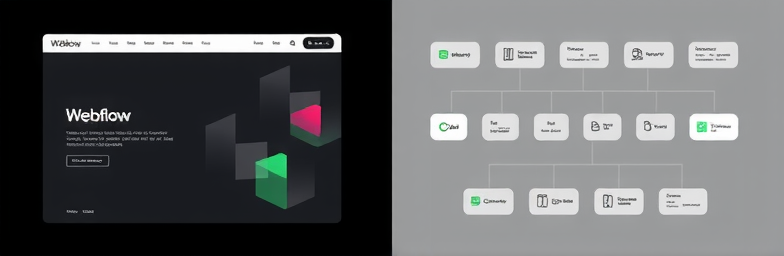
- Automation with n8n: On submit, enrich the lead, score by fit, route to the right calendar, alert the owner in Slack, create a CRM record, and trigger a relevant follow-up. If they abandon, nudge them back. If unqualified, send them to a self-serve resource.
- Feedback loops: Heatmaps and session replays to spot friction, A/B tests to iterate headlines and forms, and weekly reviews of funnel drop-offs.
Founder pain — and the fix
You might recognize these symptoms:
- We get clicks but no calls: The page doesn’t make a specific promise or ask for a specific action.
- Sales is chasing ghosts: No enrichment or qualification means reps spend time on poor-fit leads.
- Leads slip through cracks: Manual handoffs, no instant booking, and slow replies lose deals within hours.
- Reporting is fuzzy: Ad platforms show CTR; your CRM shows closed-won. The middle is guesswork.
The fix is a conversion system that compresses time from click to conversation and removes excuses from your funnel.
The WeCraft way
- Clarity first: We audit your message, offer, and ad-to-landing alignment to remove confusion and compress the journey.
- Performance Webflow builds: Clean, fast, and structured for scale. We prioritize speed, accessibility, and mobile behavior that actually reflects user reality.
- Conversion architecture: Hierarchy, proof, pricing paths, and forms that qualify without scaring off buyers.
- Automations that work: n8n workflows to enrich, score, route, schedule, and nurture — with human alerts where it matters.
- Real instrumentation: Proper events, funnel views, and dashboards that tie spend to pipeline, not just clicks.
- Iteration cadence: We test, learn, and improve — because conversion is a system, not a launch day.
Bottom line
Before you cut ad spend or switch agencies, fix the system buyers actually touch. If you’re done sending good traffic to a dead end, let’s rebuild your website into a machine that turns attention into revenue.
Insights That Sparkle
Stay inspired with fresh ideas, industry tips, and behind-the-scenes stories. Our blog is where we share trends, knowledge, and a touch of creativity to help you grow, glow, and stay ahead.
%20(1).png)

.png)
.png)
.png)
%20(1).png)