

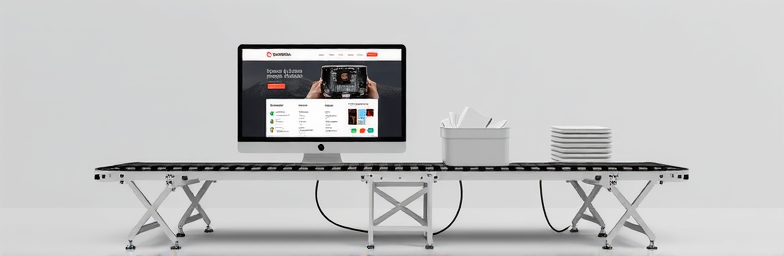
The mistake founders make with automation: speeding up bad processes
Founders love speed. Ship faster, reply faster, automate faster. The trap? Speeding up a broken process just helps you make the same mistake at scale. We see it every week: a stunning website, plenty of automation, and flat revenue. Not because the team is lazy — because the system underneath is unclear.
Speeding up the wrong thing
If your site confuses visitors, an automation that fires instantly just confuses them faster. If your team qualifies leads inconsistently, pushing more leads into that pipe just creates more cleanup. Speed is a multiplier; it multiplies whatever exists — clarity or chaos.
Why a beautiful website without systems fails
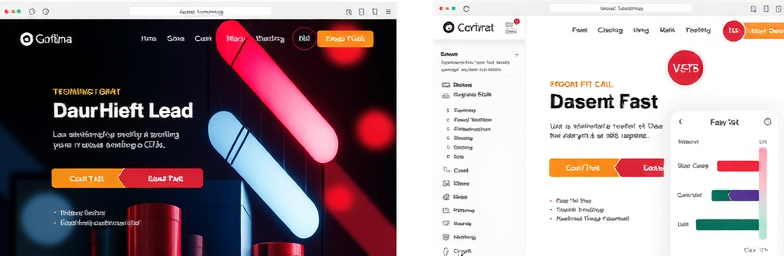
Aesthetics buy you a second look. Systems earn you a conversion. Many redesigns stop at the second look. Consider a B2B company that paid for a gorgeous refresh. Bounce rate dropped, time on page improved — and yet demo requests barely moved. Why? The primary CTA competed with three secondary ones. The form sent to a shared inbox no one owned. There was no follow-up if a prospect abandoned scheduling. Pretty, yes. Profitable, no.
Or a services firm with a sleek portfolio. Leads came in, but they were unqualified. No qualification questions on forms, no content that framed budget tiers, and no routing rules. Sales spent hours chasing poor fits while great-fit prospects waited days for a reply. The site looked premium; the experience felt average.
Aesthetics vs performance
A good-looking site matters. It signals trust, reduces friction, and makes your offer feel modern. But performance is different. Performance means your website behaves like a conversion system with:
- A single, obvious next step per page (book a demo, start a trial, request pricing).
- Message-market fit above the fold: who it is for, the problem you solve, and the outcome you deliver.
- Frictionless forms that capture the right data to qualify leads.
- Speed-to-lead measured in minutes, not days — and owned by someone.
- Analytics that track the journey from first touch to revenue, not just clicks and likes.
Design invites. Systems convert.
What actually makes a website convert
High-converting sites are deliberate. They do a few things exceptionally well:
- Positioning clarity: a sharp ICP and a promise stated in plain language.
- Focused pages: each page has one job and one primary CTA.
- Offer architecture: a no-brainer first step (demo, diagnostic, template, audit) that matches buyer intent.
- Proof that reduces risk: outcome-based case studies, quantified results, and process transparency.
- Fast, accessible performance: sub-2s load, mobile-first layout, no layout shift.
- Intent-aligned SEO: pages built for problems prospects actually search, with a clear path to action.
- Instrumentation: events, goals, and source attribution connected to pipeline — not vanity metrics.
Do these first. Then add automation to remove manual steps that still make sense.
Automate the process, not the problem
Automation shines when it supports a sound process. For example, with n8n we routinely build flows like:
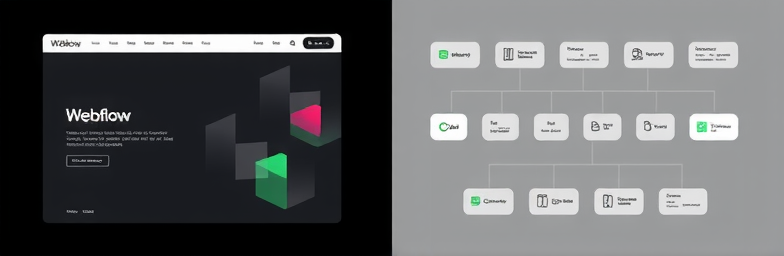
- When a lead submits a Webflow form, enrich company data, score fit, and route A-leads directly to CRM and Slack with owner assignment.
- Trigger an instant calendar handoff and send a two-step reminder sequence if they do not schedule within 2 hours.
- Spin up a lightweight nurture for B-leads and archive C-leads with a clear reason code for reporting.
- Post-meeting, push notes to the CRM, update deal stage, and notify ops if an SLA is breached.
The result: speed-to-lead under 5 minutes, fewer dropped balls, and a cleaner pipeline. But none of that matters unless the page attracts and qualifies the right people in the first place.
The WeCraft way
WeCraft Studio designs modern, high-performing Webflow sites and builds the automations that make them operationally real. Our method is simple — and rigorous:
- Diagnose before we design: map your current funnel, identify conversion blockers, define SLAs, and agree on the one metric that matters.
- Design for outcomes: craft pages that earn attention, direct action, and remove doubt. No fluff. No competing CTAs.
- Build conversion systems: connect forms to CRM, set lead scoring, create routing logic, and automate follow-ups with n8n.
- Make it measurable: event tracking, dashboards, and weekly checks so we can iterate with evidence.
Typical impact: 2–4x demo volume from the same traffic, 30–60% faster speed-to-lead, and several hours a week back to your team because manual triage disappears.
Bottom line
Do not scale noise. Fix the process, then add speed. A beautiful website without a clear conversion system is a billboard in the desert. A performance site with smart automation is a revenue engine. If your gut says you are working hard for underwhelming results, we should talk. We will help you design for outcomes — and automate what is proven to work.
Insights That Sparkle
Stay inspired with fresh ideas, industry tips, and behind-the-scenes stories. Our blog is where we share trends, knowledge, and a touch of creativity to help you grow, glow, and stay ahead.
%20(1).png)

.png)
.png)
.png)
%20(1).png)