

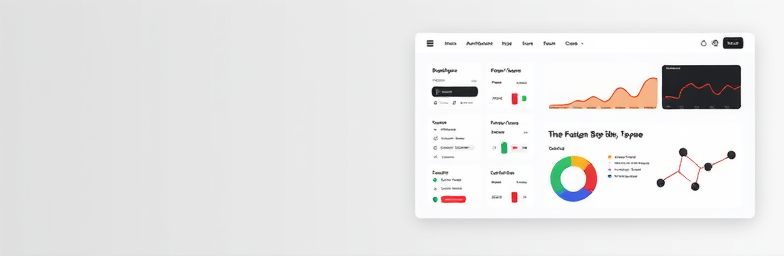
Automating tasks, not root causes - that's why nothing really improves
Many founders come to us with the same frustration: we redesigned the website, added a chatbot, set up a few automations, but pipeline still feels random. The hard truth is this — a beautiful website without clear conversion systems is window dressing. You automated tasks. You did not solve the cause.
The seduction of aesthetics
It is easy to ship a gorgeous hero, smooth animations, and brand-perfect typography. It feels like progress. But aesthetics do not create demand. Performance comes from clarity, frictionless paths, and fast feedback loops between visitor intent and your business. If your value proposition is vague, your CTAs are generic, your forms are confusing, and no one follows up quickly, no animation will save it.
Here is what usually gets automated first: social posting, Slack pings, newsletter blasts, and meeting reminders. Here is what actually needed attention: positioning, offer clarity, proof, intent-based CTAs, speed, measurement, and routing.
- Positioning: Who is this for, and why now
- Offer: A specific outcome with a clear next step
- Proof: Case studies, numbers, logos, objections answered
- Intent paths: Different CTAs for high and low intent
- Speed: Fast load, fast navigation, fast follow-up
- Measurement: Events, funnels, and attribution that actually work
- Routing: Right lead, right person, right moment
Aesthetics vs performance
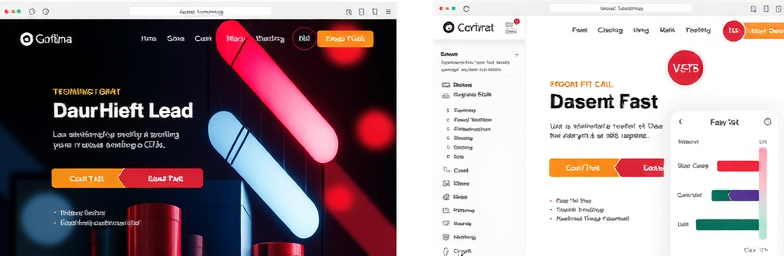
Pretty is subjective. Performance is observable. A performance site makes it obvious what you sell, who it is for, and how to take the next step. It reduces cognitive load, removes ambiguity, and gives you visibility into behavior. Design serves the narrative. Layout serves the decision. Animation serves comprehension, not decoration.
On a performance site, headlines speak to the problem and outcome, not poetry. CTAs map to intent: book a demo for buyers, see pricing for comparers, download a one-pager for researchers. Proof sits next to claims. Forms are short by default and expand only when intent is clear. Everything fast. Everything measured.
What actually makes a website convert
- Clear promise above the fold tied to a business outcome
- Segmented CTAs that match visitor intent and stage
- Scannable proof: quantified results, named clients, real testimonials
- Focused pages for key jobs to be done, not catch-all megamenus
- Performance basics: speed, accessibility, mobile priority
- Instrumentation: events for scroll depth, CTA clicks, form starts, form errors, demo booked, content consumed
- Routing and response: instant enrichment, qualification, scheduling, and a sub-5-minute first touch
Automate causes, not chores
Automation is powerful when it closes gaps that make you lose deals. With n8n, we automate decisions, not just notifications. Examples:
- Lead enrichment: append company size, tech stack, and industry to score intent automatically
- Qualification and routing: apply rules by segment and route to the right owner instantly
- Scheduling in-flow: if qualified, show calendar immediately; if not, switch to a lighter ask
- Follow-up logic: personalized sequences triggered by behavior, not batch-and-blast
- Feedback loops: push outcomes back into analytics to learn which paths convert
Automations like these fix the cause of drop-off: slow response, generic messaging, and misrouted leads. They connect your site to your sales reality.
A quick scenario
A founder says traffic is solid but demo bookings are weak. They added live chat, retargeting, and weekly webinars. Results are flat. Here is the WeCraft approach:
- Rewrite the hero to name the pain and the clear outcome
- Split the primary CTA: book a demo for high intent, watch a 3-minute walkthrough for evaluators
- Introduce a 2-step form: short first step, progressive fields if fit looks strong
- Instrument key events: form start, step drop-off, field errors, video watched, scroll patterns
- Automate qualification: enrich company data, score, route to the right owner
- Instant scheduling: if A-fit, show calendar; if B-fit, show case study and soft-book option
- Close the loop: outcomes feed back into targeting and page copy
The impact: faster first response, fewer no-shows, and a cleaner pipeline signal. Not new tools — better systems.
The WeCraft way
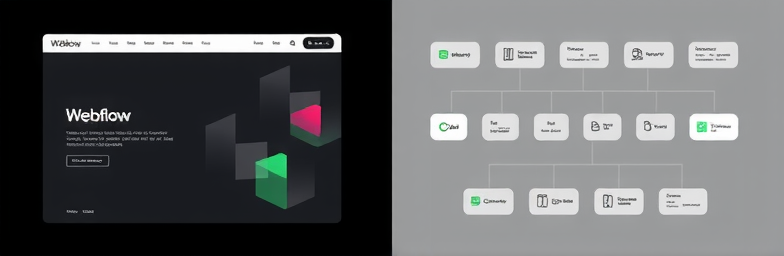
We build modern, high-performing Webflow websites and connect them to smart n8n automations. Our process is simple and rigorous:
- Diagnose: analytics and funnel audit, speed checks, heatmaps, sales interviews
- Design for decisions: structure, copy, and components mapped to buyer intent
- Instrument: event tracking that leadership and sales can actually use
- Automate around value: enrichment, qualification, routing, scheduling, and feedback loops
- Iterate: monthly insights and improvements tied to business metrics
Teams that do this often see demo rates rise, time-to-first-touch drop to minutes, and operations hours cut — because the system is finally aligned to how buyers buy.
Final thought
If your website looks premium but the pipeline feels fragile, you are likely automating tasks, not fixing causes. Build clarity, measure behavior, and automate the moments that matter. That is the work we do at WeCraft Studio: modern design, smart automation, tangible business impact.
Insights That Sparkle
Stay inspired with fresh ideas, industry tips, and behind-the-scenes stories. Our blog is where we share trends, knowledge, and a touch of creativity to help you grow, glow, and stay ahead.
%20(1).png)

.png)
.png)
.png)
%20(1).png)