


Redesign once, stop bleeding: the ROI WordPress plugins can't match
Let’s be blunt: a beautiful website that doesn’t convert is expensive wall art. Founders add plugins to fix forms, boost speed, pop up offers — and still watch qualified traffic leak out of the funnel. The problem isn’t a missing feature. It’s the absence of a system.
Aesthetics vs. performance
Good branding makes you look credible; good systems make you money. A conversion-ready site does a few unfancy, crucial things exceptionally well:
- States a sharp value proposition in the first five seconds.
- Guides different ICPs down clear paths — not one generic CTA for everyone.
- Loads fast on mobile and is ruthless about friction.
- Places social proof and pricing logic exactly where buying anxiety spikes.
- Captures, qualifies, and routes leads instantly — then follows up without human lag.
- Measures everything so you can improve what matters: conversion rate, demo show rate, sales cycle, CAC.
None of that happens because you installed “two more plugins.” It happens because the site is architected for outcomes, not aesthetics alone.
Why plugins don’t fix leaks
Plugins add features. Leaks come from structure. Common patterns we see:
- Speed plugin installed, but LCP stays high because the theme is bloated and the hero video auto-plays. Result: mobile bounce.
- Popup collects emails, but the CRM isn’t enriched, UTM data is lost, and no nurture exists. Result: unqualified leads and silent pipelines.
- Form builder connects to your CRM, yet asks 10 fields and breaks on updates. Result: high abandonment and ops firefighting.
- “Design” plugin polishes buttons, but your navigation still hides the buying path. Result: people browse, don’t buy.
Stacking plugins is short-term soothing. It rarely fixes message clarity, information architecture, or post-click operations — the real conversion drivers.
What a converting website actually looks like
Here’s the boring, profitable truth:
- Message-market clarity: Above the fold, your promise is painfully specific. No poetry, no buzzwords — proof and outcomes.
- ICP pathways: Self-select journeys (By Role, By Use Case) with tailored proof, FAQs, and CTAs that match intent (Try now, Book a demo, Calculate ROI).
- Fast and accessible: Sub-1.8s LCP on mobile, no layout shifts, keyboard-friendly forms. Speed is a sales feature.
- Contextual proof: Case studies and metrics exactly where objections surface — not buried on a “Resources” island.
- Frictionless capture: 3–5 fields max, with enrichment handled server-side. Auto-route to the right rep. Instant calendar booking.
- Automation after the click: Lead scoring, CRM enrichment, Slack alerts, calendar invites, reminders, nurture — with clear ownership.
- Closed-loop analytics: Clean UTMs, source mapping, and a weekly scorecard that ties traffic to pipeline and revenue.
Redesign once: a short, real story
Anonymized B2B SaaS. 30k monthly sessions. Old site on WordPress with 17 active plugins.
Baseline: 0.7% demo conversion, 40% form abandonment, 30% no-show on booked calls. Load time on mobile ~4.8s. Sales team complained about junk leads and missing context.
What changed with a WeCraft redesign in Webflow + n8n automation:
- Information architecture rebuilt with ICP paths and clearer offer framing.
- Hero and assets optimized; LCP moved to ~1.2s. No bloat, no render-blocking.
- Form cut to 4 fields; company data enriched automatically; reps see intent and tech stack on arrival.
- Lead routing by account tier; auto Slack ping; calendar booking on thank-you screen.
- Show-rate play: SMS + email reminders, one-click reschedule, pre-call brief.
90 days post-launch: demo conversion to 2.3%, form abandonment to 14%, no-shows to 12%. Same ad spend, same traffic. Pipeline quality improved because ops worked by design, not by patchwork. That’s ROI a plugin can’t manufacture.
The WeCraft way
WeCraft Studio builds better systems — online and operationally. Our approach:
- Diagnosis first: We map leaks across message, UX, speed, data, and ops.
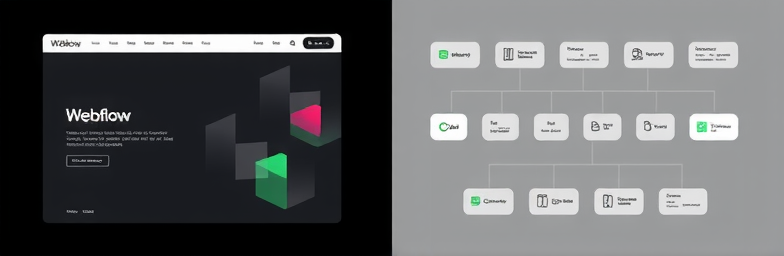
- Architecture and design in Webflow: Modern, maintainable, fast. No theme bloat. No plugin roulette.
- Automation with n8n: Lead scoring, enrichment, routing, reminders, handoffs, and reporting — all orchestrated, not duct-taped.
- Operational guardrails: Versioned components, governance, and playbooks so your team can ship updates without breaking revenue.
The result isn’t just a prettier site. It’s a measurable lift in demos, trial starts, and closed revenue — with less manual work and fewer “why didn’t we see this lead?” moments.
Stop the slow bleed
If you feel like you’re paying the “plugin tax” — constant updates, conflicts, and diminishing returns — the issue isn’t effort. It’s direction. Redesign once around a conversion system and your site stops leaking. Your team stops firefighting. Your growth stops depending on hope.
Ready to see where the leaks are? We’ll show you the exact points where design, data, and automation will move your numbers — and then we’ll build it so it sticks.
Insights That Sparkle
Stay inspired with fresh ideas, industry tips, and behind-the-scenes stories. Our blog is where we share trends, knowledge, and a touch of creativity to help you grow, glow, and stay ahead.
%20(1).png)

.png)
.png)
.png)
%20(1).png)