

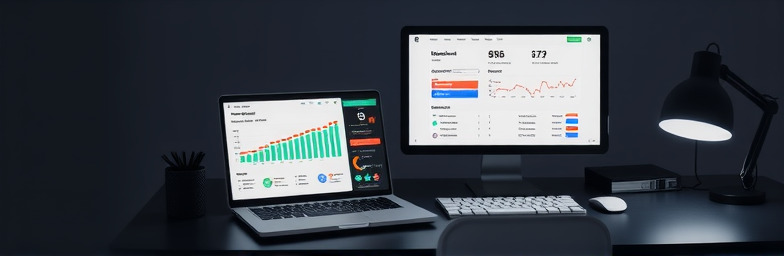
You’re not efficient — you’re just repeating manual work faster.
Replying to leads at midnight. Copy-pasting inquiries into a spreadsheet. Manually chasing no-shows. It feels productive — but it’s not efficiency; it’s repetition on caffeine. The same is true for your website: if it’s beautiful but not built for conversion and handoffs, you’re just packaging manual work in nicer wrapping.
Pretty ≠ performant
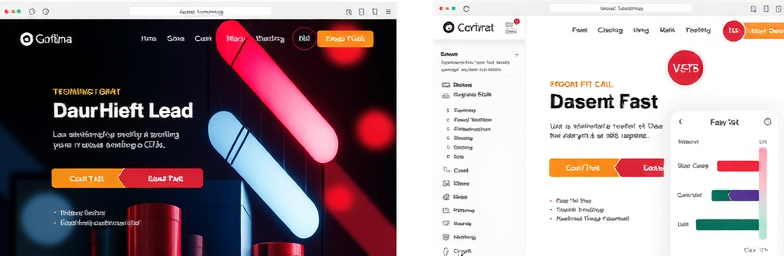
Founders often come to us with slick sites that underperform. The hero looks great, the typography sings, but the pipeline is quiet. Why? Because aesthetics don’t make decisions for visitors — systems do.
Common symptoms of a high-polish, low-performance site:
- Generic headlines like “We build great experiences” with no clear outcome or ICP.
- A single “Contact Us” CTA that dumps everything into one inbox.
- Case studies as PDFs (invisible to search, impossible to analyze).
- No frictionless path to book, no way to qualify, and no automated follow-up.
The result: you spend more time chasing than closing. Traffic rises, but revenue doesn’t. You aren’t inefficient because you move slowly — you’re inefficient because your system makes you repeat the same manual work faster.
What a converting website actually does
A converting website is a decision engine, not a brochure. It guides the right buyer to the right action and immediately kicks off the right internal workflow. In practice, that looks like:
- Clear positioning: who you serve, the painful problem you solve, and the business outcomes you deliver.
- Focused paths: one primary CTA (book a call, start a scoping quiz) and relevant secondary actions (download a brief, view pricing guidance).
- Proof with context: case studies as fast, CMS-driven pages with measurable outcomes — searchable, skimmable, and shareable.
- De-risking: social proof near CTAs, transparent process, estimated timelines, and signals of fit (budgets, industries, complexity).
- Speed and clarity: fast load, readable on mobile, and no dead ends.
Performance is measured in qualified pipeline, not pageviews. That means more booked calls with the right buyers, fewer admin loops, and shorter time-to-first-response.
Your “efficiency” problem is an operations problem
If leads go to an inbox, you’ve already lost time. If you manually check calendars, qualify in DMs, or send attachments by hand, you’re scaling effort, not impact. Founders don’t burn out from growth — they burn out from glue work.
Two simple examples we see weekly:
- The generic contact form: everything from internships to enterprise RFPs arrives in one place. You triage manually. High-intent leads wait hours.
- The orphaned booking link: someone books, but there’s no prep form, no qualification, and no automatic reminders. No-shows rise. Calls feel blind.
Automation is the other half of conversion
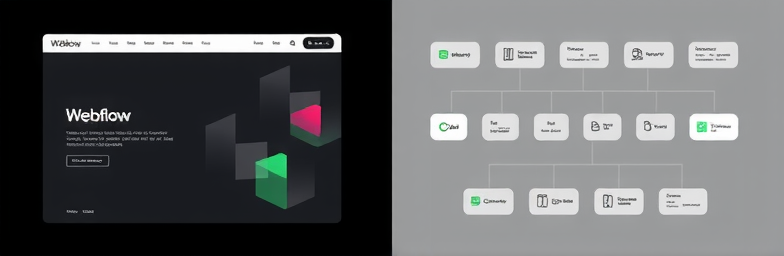
When your website converts, automation makes the conversion operational. This is where tools like n8n matter — not as flair, but as the nervous system connecting your site to your process. A simple, high-leverage flow looks like this:
- Visitor books a discovery call from a Webflow page with a short qualification step.
- n8n enriches and routes the lead based on ICP signals (industry, size, budget).
- Your CRM entry is created with tags, owner, and next steps; Slack pings the right channel.
- The prospect gets a tailored confirmation, a one-click reschedule link, and a concise prep guide.
- Before the call, a reminder goes out; after the call, notes and a recap email are generated from a template and logged automatically.
No spreadsheets. No hunting for context. No “sorry, who is this again?” The compounding effect is real: faster first touch, better show rates, and a cleaner pipeline. Under five minutes beats same-day follow-up every time.
The WeCraft way
At WeCraft Studio, we build systems — online and operationally. Our approach blends modern Webflow design with n8n-powered automations to reduce manual work and increase measurable outcomes:
- Modern design that communicates outcomes, not just aesthetics.
- Conversion architecture: ICP-specific messaging, proof placement, and frictionless CTAs.
- Smart automation: lead routing, enrichment, reminders, and post-call workflows that save hours weekly.
- Data you can use: clean analytics, CMS-driven content, and dashboards that inform decisions.
What changes for founders? Less chasing, more closing. Calendars with qualified meetings, not noise. Teams focused on conversations that matter, not copy-paste admin. It’s common to see more booked calls from the same traffic and a meaningful drop in “Where did that lead go?” moments.
Bottom line
A pretty site that leaves you doing manual work is a cost, not an asset. Build for conversion first, then wire it to your operations. If your website looks great but makes you work harder, let’s fix the system. WeCraft Studio designs Webflow websites and n8n automations that turn attention into qualified pipeline — without you repeating the same tasks faster.
Insights That Sparkle
Stay inspired with fresh ideas, industry tips, and behind-the-scenes stories. Our blog is where we share trends, knowledge, and a touch of creativity to help you grow, glow, and stay ahead.
%20(1).png)

.png)
.png)
.png)
%20(1).png)